

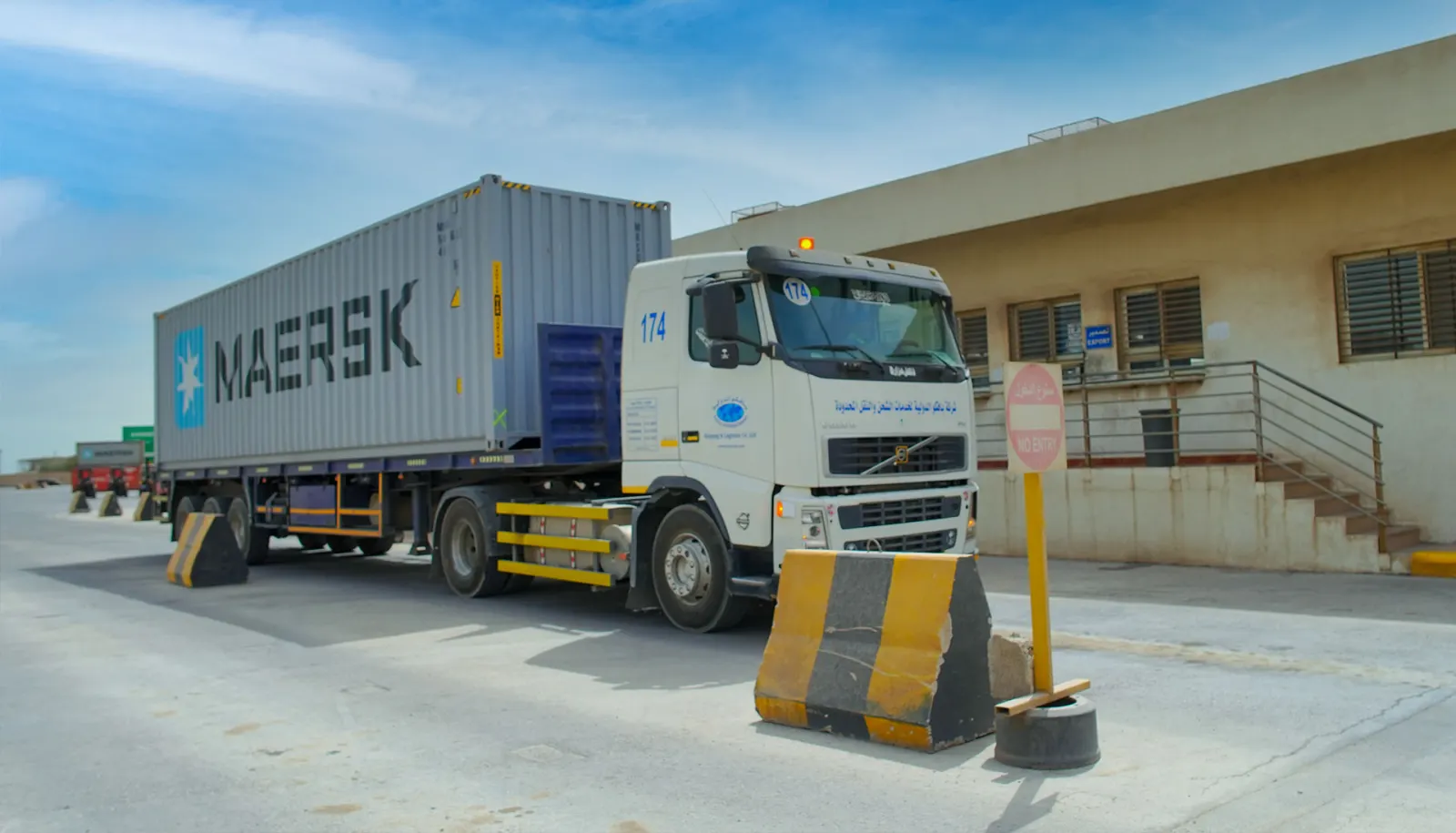
In short: Importers clearing cargo at Jeddah Islamic Port need a customs declaration through FASAH, matching shipment documents and any product approvals that apply. Release timing depends on document readiness and whether Saudi Customs requests a review or inspection. BAFCO’s in-house customs clearance team in Jeddah can handle the declaration and arrange delivery after release.
For a shipment arriving at Jeddah Islamic Port, start with the product and its paperwork while the goods are still with the supplier. Check the tariff classification and product requirements, nominate the party who will file through FASAH and agree who will handle collection. BAFCO can coordinate clearance at the port and truck the shipment to your warehouse after release. Give your receiving team a provisional delivery window until customs, carrier and terminal release steps are complete.
How to clear an import at Jeddah Islamic Port
- Confirm who will file. The importer can handle the declaration if it meets the applicable requirements and has the necessary access, or appoint a customs broker to act on its behalf. Tell the broker who the importer is and provide the authorisation and shipment records needed for that entry. Agree who will answer customs queries and who will account for duties and taxes.
- Identify the goods before loading. Share the product description, intended use, model or material and country of origin with the filer. This information supports the tariff classification and helps identify any conformity or permit requirements. If you are importing several products, review each invoice line. One item with unresolved requirements can hold up a mixed shipment.
- Check conformity and reconcile the documents. For regulated products, confirm whether you need a SABER product conformity certificate and a Shipment Certificate. Compare the commercial invoice and packing list with the draft bill of lading. Check the consignee, package count, weights and references while the supplier or carrier can still correct its documents.
- Submit the declaration through FASAH. FASAH is Saudi Arabia’s national single window for customs declarations. The filer uses the shipment and supporting records to submit the entry. Saudi Customs, part of ZATCA, may request more information or inspect the goods. Agree who will obtain a revised document or contact the supplier if a query comes in.
- Complete assessment and arrange release. Review the assessment and settle applicable duties and taxes as required. Saudi import VAT is 15%. The GCC common external tariff is generally 5% for most goods, with exemptions and higher rates for some categories. Confirm the treatment of your product with your forwarder or Saudi Customs before using a duty estimate in your budget.
- Book collection and delivery. Once customs releases the cargo, confirm the carrier’s release requirements and terminal collection arrangements. For a full container, agree who will return the empty and where it must go. For a consolidated shipment, confirm the collection location and when your individual consignment will be available.
Documents to give your clearance team
- Commercial invoice. Provide item descriptions, quantities, values, currency and the parties to the transaction. Use enough detail to identify each product.
- Packing list. Show package counts, weights and which goods are in each package. Make sure the totals agree with the shipment records.
- Bill of lading. Send the ocean transport document and confirm with the carrier or forwarder what it needs to release the cargo.
- Certificate of origin where required. Confirm whether one is needed for the goods and whether its details agree with the invoice.
- Product documents where applicable. Include the relevant SABER conformity and Shipment Certificates and any other required approvals. Check whether Arabic-language invoices or legalised documents apply to your case.
What usually delays release
Vague descriptions, inconsistent package counts and last-minute invoice corrections create extra work before the filer can stand behind the declaration. Send draft documents before sailing and nominate one supplier contact who can issue corrections. If the shipment contains multiple models, give the filer a list that matches the model numbers on the invoice, the packing list and any conformity documents.
Missing approvals and unanswered customs queries can extend the release window. Ask the clearance team which approvals need attention before dispatch and keep technical product information available in case Customs asks for it. Also check the carrier’s free time, the terminal’s storage terms and the empty-container return arrangements. These affect your costs when collection moves, even if the paperwork is already in order.
Choose the handover that suits your shipment
| Handover plan | When it fits | What to confirm |
|---|---|---|
| Direct delivery after release | Your warehouse can receive and unload the shipment when it is ready | Truck access, receiving hours and empty-container return for a full load |
| Yard staging after release | Delivery needs to wait for a warehouse slot or onward transport | Handling charges, storage terms and whether staging affects equipment return |
| Bonded warehousing | You need eligible goods to remain under bond before release into the Saudi market | Eligibility, the required customs movement and the release plan |
What changes for exports through Jeddah
For an export, work back from the carrier’s documentation and cargo cut-offs. Confirm who will file the Saudi export declaration, which documents the destination requires and when the terminal can receive the goods. Reconcile the invoice and packing list with the shipping instructions before finalising them. If the cargo is a re-export from bond, tell your broker at the outset so it can check the applicable customs procedure and warehouse arrangements.
How BAFCO helps
BAFCO is a family-owned Saudi freight forwarder headquartered in Jeddah and operating since 1993. Its in-house team handles customs clearance at Saudi seaports. In Jeddah, BAFCO operates four container terminals covering 162,000 sqm. It also offers ZATCA-supervised bonded warehousing, where duty and VAT are suspended while goods remain in bond, and uses its own fleet to deliver cargo across the Kingdom.
For a Get Rate request, share your expected arrival, cargo description, container size or shipment dimensions, and delivery postcode or site address. Flag outstanding approvals and any need for bonded storage, refrigeration or specialised transport. BAFCO responds within one business day. A release estimate depends on the documents and the shipment’s status.
Related reading
- BAFCO customs clearance services
- How customs clearance works in Saudi Arabia
- How to import goods into Saudi Arabia
- Saudi shipping documents
- Bonded warehousing
- BAFCO container terminals
- Freight forwarding in Jeddah
- Customs clearance through Dammam
- Sea freight from China to Riyadh
Frequently asked questions
Who can clear my shipment at Jeddah Islamic Port?
The importer can file its own Saudi customs declaration if it meets the applicable requirements and has the necessary access. It can also appoint a customs broker. BAFCO has an in-house customs clearance team in Jeddah and can coordinate the declaration, port collection and onward delivery.
How long does customs clearance at Jeddah Islamic Port take?
The release window depends on when the filing documents are ready, whether product approvals apply and whether Saudi Customs requests a review or inspection. Ask your clearance team to estimate customs release and truck collection separately, since the carrier and terminal also have release and collection requirements.
What documents should I send my Jeddah customs broker before the vessel arrives?
Send the commercial invoice, packing list and bill of lading, plus a certificate of origin where required. For regulated goods, provide the applicable SABER conformity and Shipment Certificates. Ask the broker whether any other approvals, Arabic-language invoices or legalised documents apply to your goods.
How much import duty and VAT should I budget for cargo arriving in Jeddah?
Saudi import VAT is 15%. The GCC common external tariff is generally 5% for most goods, with exemptions and higher rates for some categories. Ask your forwarder or Saudi Customs to confirm the tariff classification and applicable duty before you include an estimate in your landed cost.
Can BAFCO store my goods in bond before I release them into Saudi Arabia?
BAFCO offers ZATCA-supervised bonded warehousing. Duty and VAT are suspended while eligible goods remain in bond. Give the team the shipment details and your intended release plan so it can check whether the goods can be moved into bond and explain how their eventual release would be handled.
Get a rate from BAFCO
Tell us the origin, the port or destination and what you are moving, and we will come back within one business day. Phone +966 12 642 0333 or email inquiry@bafcointl.com, or use the Get Rate form. Head office in Jeddah, branches in Riyadh, Dammam, Jubail, Yanbu and Rabigh.
