

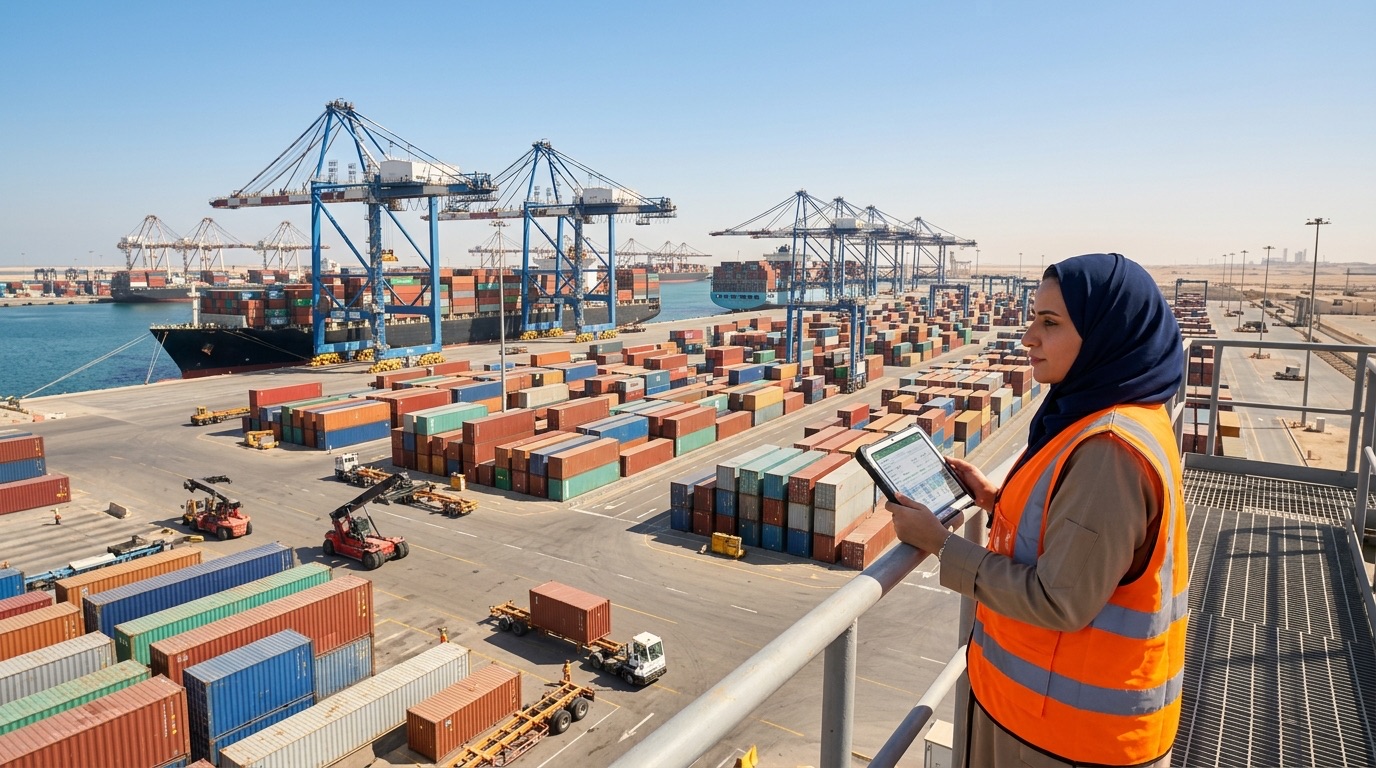
Importing into Saudi Arabia is one of the most rewarding moves a business can make — it's the Gulf's largest market, growing fast under Vision 2030. It's also unforgiving of paperwork errors: a missing SABER certificate or a wrong HS code can leave your container sitting at Jeddah port accruing charges. The good news is that the process is entirely learnable, and once you know the order of the steps it runs smoothly.
We're BAFCO International — 30 years clearing imports for businesses across Jeddah, Riyadh and Dammam, with in-house customs teams and our own container terminals. This guide walks through how to import goods into Saudi Arabia in 2026, step by step.
Want the whole thing handled? Let BAFCO manage your import — from documents to delivery.
Before you import: the legal setup
You can't import commercially into Saudi Arabia as an individual. Three things need to be in place first:
- Commercial Registration (CR) — your business must be registered in Saudi Arabia (or you work with an importer of record who is).
- FASAH registration — FASAH is the national single-window platform that connects importers, customs and other agencies. Your customs declarations flow through it.
- A SABER account — SABER (at saber.sa) is the SASO conformity platform where you certify products *before* they arrive. It must sit under your CR.
Most importers appoint a licensed customs broker or freight forwarder to handle FASAH and SABER on their behalf — it's where the specialist knowledge pays for itself.

The step-by-step import process
1. Classify your goods (HS code)
Every product has a Harmonized System (HS) code that determines its duty rate and which standards apply. Getting this right is the foundation — a wrong code means the wrong duty and possible penalties.
2. Check the standards — do you need SABER conformity?
Most regulated products need a conformity certificate through SABER. Check whether your product is "regulated" (most consumer and industrial goods are) and which technical regulation applies.
3. Get the SABER certificates — PCoC then SCoC
This is the step that catches importers out. There are two certificates:
- PCoC (Product Certificate of Conformity) — issued once per product, valid for a period, confirming the product meets the Saudi technical regulation.
- SCoC (Shipment Certificate of Conformity) — issued per shipment, and required *before* the goods can clear customs.
You need both. Leaving SABER to the last minute is the single most common cause of clearance delay.
4. Prepare your documents
Assemble the commercial invoice, packing list, Bill of Lading (or Air Waybill), certificate of origin, and the SABER certificates. Accuracy and consistency across all of them matters — customs cross-checks values, quantities and descriptions.
5. Ship the goods — and agree the right Incoterm
Confirm who is responsible for which leg with your supplier via the correct Incoterm (FOB and CIF are common for sea). This decides who books freight and who handles clearance.
6. Lodge the customs declaration (via FASAH / ZATCA)
Your broker files an electronic customs declaration through the FASAH single window to ZATCA (the Zakat, Tax and Customs Authority). This is where classification, valuation and documents come together.
7. Pay duty and VAT
Customs assesses duty (based on the HS code, typically calculated on the CIF value) and 15% VAT. Some goods carry higher duties; a few are duty-exempt.
8. Inspection and release
Cargo may be selected for inspection. Once documents, conformity and payment are cleared, customs releases the shipment.
9. Collect and deliver
The container is picked up and delivered to your warehouse — ideally before free time expires and demurrage begins.
The documents you'll need — at a glance
- Commercial invoice
- Packing list
- Bill of Lading / Air Waybill
- Certificate of origin
- SABER PCoC + SCoC (conformity)
- Any product-specific permits (e.g. SFDA for food/pharma)
Missing or inconsistent documents are the number-one cause of delay — see our full Saudi Arabia shipping documents checklist.
Duty, VAT and how the cost is calculated
Saudi customs duty is charged by HS code — many goods fall in a standard band, though rates vary and some categories are higher to protect local industry. Duty is generally calculated on the CIF value (cost + insurance + freight to the port), then 15% VAT applies on top. This is why the Incoterm and the declared value matter so much: they feed directly into what you pay. Our freight forwarding cost guide breaks the full landed cost down.
Prohibited and restricted goods
Some goods are prohibited (they can't be imported at all) and others are restricted (they need special approval from a regulator — SFDA for food, medicine and cosmetics; other bodies for telecoms, chemicals, and so on). Checking your product's status *before* you order avoids an expensive dead end at the border.
How long does it take — and the common mistakes
If the pre-shipment work is done correctly, clearance itself is quick; the delays come from preparation. Realistically, the whole first-time journey — setup, SABER, shipping, clearance — can run several weeks, so plan ahead. The mistakes that cost importers time and money:
- Leaving SABER to the end — no SCoC means no clearance.
- The wrong HS code — wrong duty, possible penalties, re-assessment.
- Inconsistent documents — mismatched values or descriptions trigger queries.
- Ignoring restricted-goods rules — a missing SFDA or regulator approval halts everything.
- No delivery plan — cargo clears, then sits at the port racking up demurrage.
Do you need an importer of record?
If your business isn't registered in Saudi Arabia, you can still import — but you'll need an importer of record (IOR): a Saudi-registered entity that takes legal responsibility for the import, the declarations and the compliance. This is common for foreign companies entering the market. A forwarder can often act as, or arrange, the IOR so you can start importing before your own entity is fully established.
Understanding SASO standards and technical regulations
Saudi Arabia protects its market with technical regulations administered by SASO (the Saudi Standards, Metrology and Quality Organization). Most products sold in the Kingdom must meet an applicable technical regulation — covering safety, quality, labelling (often Arabic-labelling requirements) and, for some goods, energy-efficiency or type-approval. SABER is simply the online system that proves your product meets the relevant regulation. Before you order from a supplier, confirm *which* regulation applies to your HS code, because it determines the testing, certification and labelling your goods will need. Discovering a standards or labelling requirement after the goods have shipped is expensive to fix.
How import duty rates actually work
Saudi Arabia applies the GCC Common External Tariff, so a large share of goods carry a standard duty of around 5% on the CIF value — but that's only the baseline. Many categories carry higher rates to protect local industry (some processed foods, certain building materials and various finished goods can be materially higher), and a number of essentials are duty-free. Because the rate is tied to the HS code, classification isn't just paperwork — it's the number that sets your duty bill. A small classification difference can move your landed cost by a meaningful margin, which is why experienced importers get the code confirmed *before* they commit to a purchase.
The role of a licensed customs broker
You *can* navigate FASAH, SABER and ZATCA yourself, but most importers don't — they appoint a licensed customs broker or freight forwarder as their agent. A good broker classifies goods correctly, arranges SABER conformity, files the FASAH declaration, calculates and settles duty and VAT, manages inspections, and coordinates release and delivery. The value isn't just convenience — it's avoiding the costly errors (wrong codes, missing certificates, valuation disputes) that turn a routine import into a stuck container. For most businesses, the broker's fee is small against the demurrage and penalties a single mistake can cause.
After clearance: storage and delivery
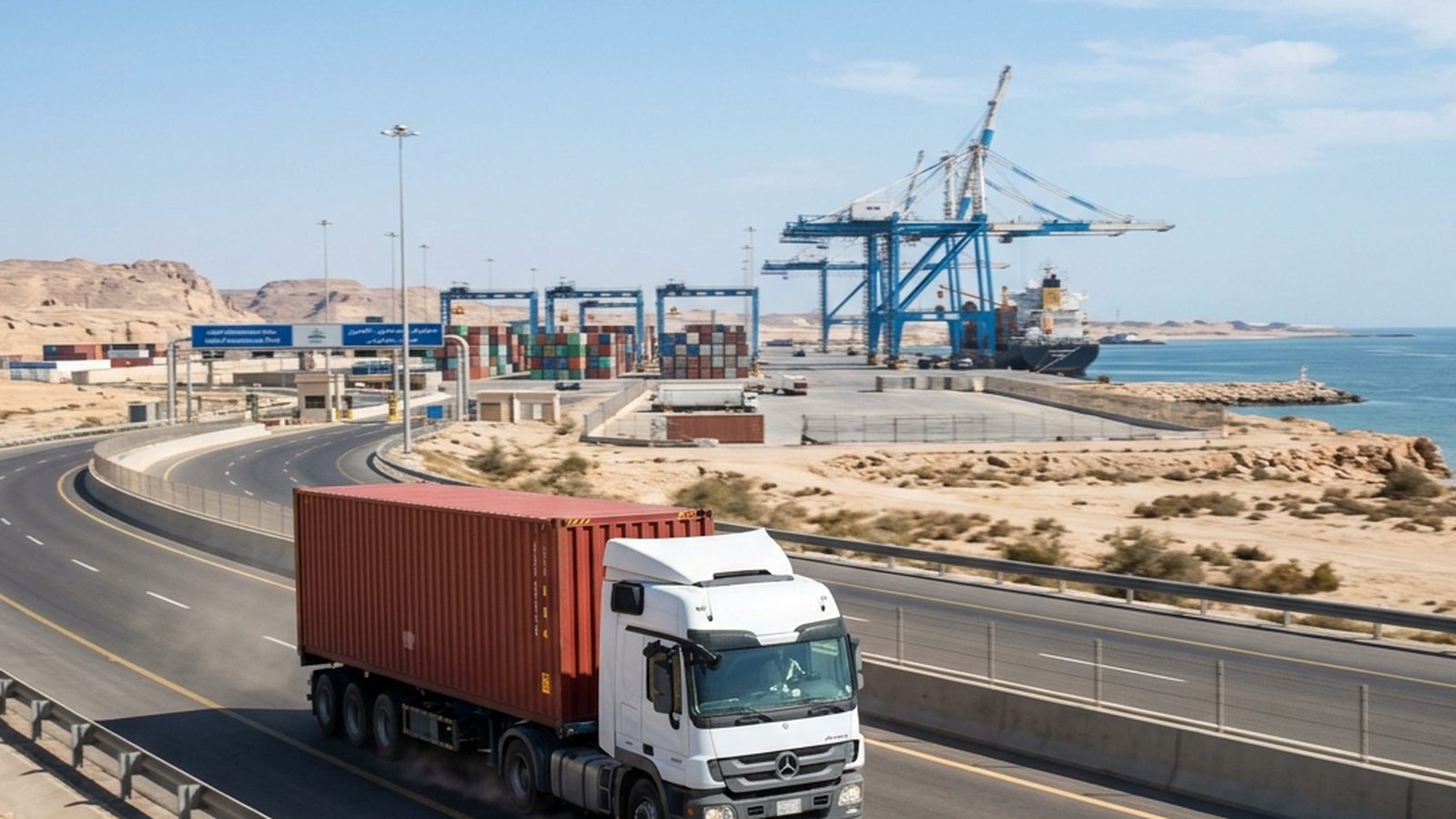
Clearing customs isn't the finish line — the goods still need to get from the port to where you use or sell them. This is where a plan matters: onward transport to your premises, or into warehousing (general or bonded, if you want to defer duty), then distribution to your customers. Importers who treat clearance and delivery as one connected step avoid the classic trap of cargo clearing customs and then sitting at the port because no truck was booked. An integrated forwarder joins clearance, storage and delivery into one chain.
Temporary imports and re-export
Not every import is permanent. If you're bringing goods in for exhibitions, projects, repair or re-export, Saudi Arabia's customs framework provides for temporary admission and bonded arrangements that can suspend or avoid duty on goods that won't stay in the local market. If your goods are only passing through or coming back out, flag it early — the right customs regime can save the duty you'd otherwise pay and later reclaim. See our bonded warehouse guide.
Why BAFCO for importing into Saudi Arabia
BAFCO handles the whole journey in-house: HS classification, SABER conformity, FASAH declarations, duty and VAT, inspection and delivery — across Jeddah, Riyadh, Dammam and Jubail, backed by 30 years and owned terminals. You ship; we clear and deliver. Compare us in our 10 best freight forwarders in Saudi Arabia guide.
Frequently asked questions
What do I need to import goods into Saudi Arabia?
A Saudi Commercial Registration (or an importer of record), FASAH registration, a SABER account for product conformity, correct HS classification, the core shipping documents (invoice, packing list, B/L or AWB, certificate of origin), and payment of customs duty and 15% VAT.
What is SABER and do I need it?
SABER is SASO's online conformity platform. Most regulated products need a Product Certificate of Conformity (PCoC) and, per shipment, a Shipment Certificate of Conformity (SCoC) — both are needed before customs will clear the goods.
How much are customs duty and VAT in Saudi Arabia?
Duty is charged by HS code (rates vary by product), generally on the CIF value, with 15% VAT applied on top. Some goods carry higher duties and a few are exempt.
How long does it take to import into Saudi Arabia?
Customs clearance is quick when the pre-shipment work — SABER, documents, classification — is done correctly; the full first-time process including setup and shipping typically runs several weeks, so plan ahead.
Can a freight forwarder handle the whole import for me?
Yes. A forwarder with in-house customs can manage FASAH, SABER, classification, clearance, duty/VAT and delivery end to end, which is the simplest route for most importers.