

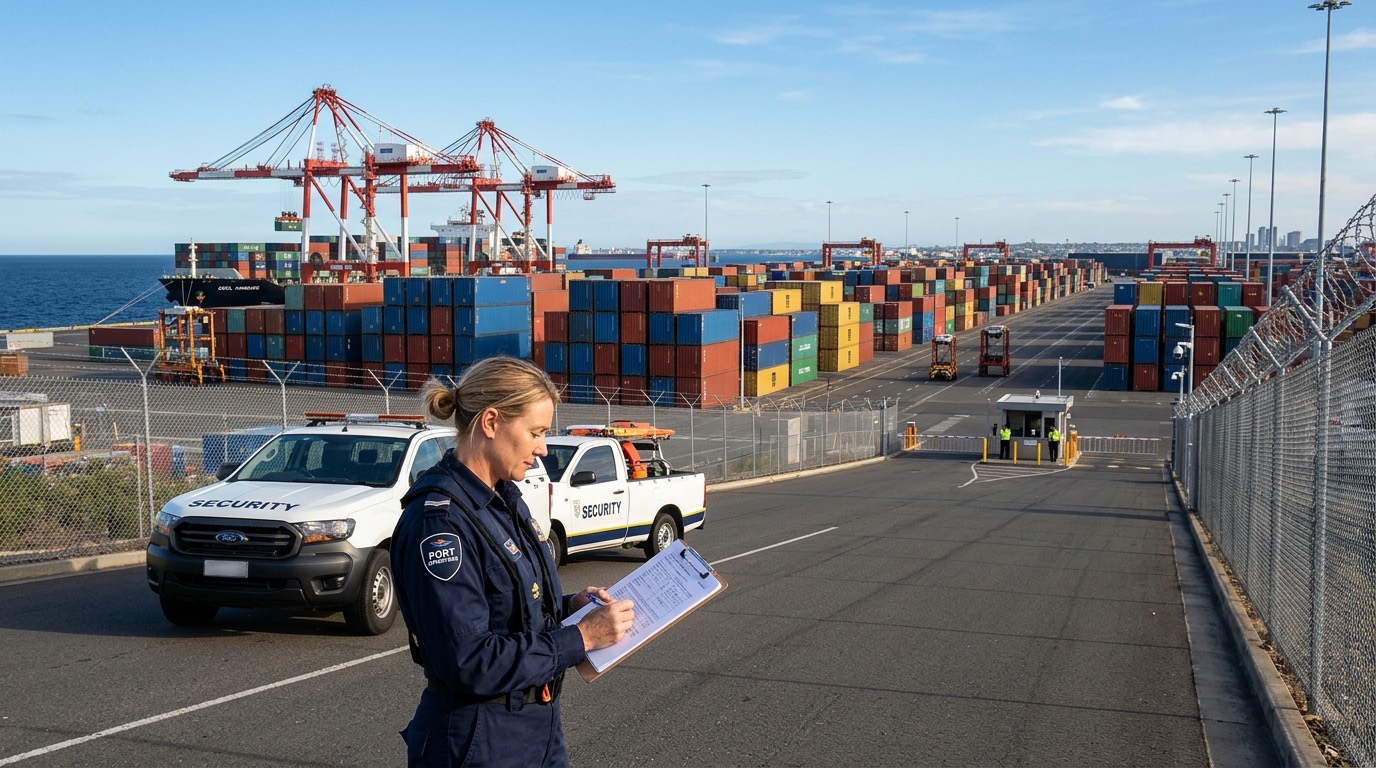
Here's a costly assumption too many importers make: "if my cargo is damaged in transit, the shipping line will pay for it." They won't — at least, not nearly enough. Carrier liability is strictly limited, usually by weight, and often amounts to a fraction of what your goods are worth. The gap between that limit and the real value of your cargo is exactly what cargo insurance in Saudi Arabia exists to cover — and on any shipment that matters, going without it is a gamble, not a saving.
We're BAFCO International — 30 years moving cargo for businesses across Jeddah, Riyadh and Dammam. This guide explains what cargo insurance covers, why you need it, and how it works.
Ask BAFCO about insuring your cargo — cover arranged as part of the shipment.
What is cargo insurance in Saudi Arabia?
Cargo insurance (a form of marine insurance, which also covers hull and freight) protects your goods against loss or damage during transit — by sea, air or land. It's the financial safety net for the journey: if something goes wrong between the supplier's warehouse and yours, insurance covers the value of the goods, rather than leaving you to absorb the loss or fight for a fraction from the carrier.

Why you need it: carrier liability isn't enough
The single most important thing to understand is that the carrier's liability is capped. Under international conventions, a shipping line or airline's responsibility for lost or damaged cargo is limited — typically by weight, not value — so a container of high-value electronics damaged at sea might yield a payout worth a tiny fraction of the goods. Cargo insurance fills that gap, covering the actual value of your shipment (often value plus a margin). For anything beyond low-value goods, that gap is far too big to self-insure.
Is cargo insurance mandatory in Saudi Arabia?
Cargo insurance isn't always legally required — but it's frequently contractually required, and in practice often unavoidable:
- Letters of Credit — banks financing trade through an LC will usually refuse to release payment without proof of insurance.
- Trade contracts and Incoterms — CIF and CIP terms oblige the seller to insure (though only to a minimum — see below), and many contracts mandate cover.
So while no law forces it, the commercial reality of importing usually does — and even when it doesn't, prudence should.
Coverage levels: the ICC Clauses
Marine cargo insurance is standardised around the Institute Cargo Clauses (ICC), which come in three levels:
| Clause | Cover | Best for |
|---|---|---|
| ICC (A) | "All risks" — broadest cover | Most cargo; high-value or fragile goods |
| ICC (B) | Named perils — a defined list (fire, sinking, some water damage, etc.) | Mid-range cargo |
| ICC (C) | Named perils — the most basic list (major casualties only) | Low-risk, low-value bulk |
ICC (A) is the broadest and most common for general cargo; the more restrictive B and C cover only specifically listed events. Choosing the right level is about matching cover to the cargo's value and vulnerability.
What's covered — and what isn't
Typically covered: physical loss or damage from handling, accidents, fire, vessel casualties (sinking, collision), and — under all-risks — most fortuitous events; many policies also cover theft and losses from natural disasters (storms, earthquakes), and maritime piracy remains a relevant risk on some corridors.
Common exclusions — the reasons claims get declined: - Improper or insufficient packing — if the loss is due to how the goods were packed, the claim usually fails. - Inherent vice — a defect in the nature of the goods themselves (e.g. perishables spoiling naturally). - Wilful misconduct or negligence by the insured. - Ordinary wear and tear, leakage or loss in weight. - Delay — financial loss purely from a shipment being late is generally not covered.
Reading the exclusions is as important as reading the cover — most declined claims fall into one of these.
The Incoterms trap: don't assume you're covered
A dangerous assumption: "I bought CIF, so the seller insured it — I'm fine." Under CIF/CIP the seller need only arrange minimum cover (typically ICC C), which may be far below what your goods are worth and narrower than you'd want. And on FOB, EXW or DAP terms, insuring the main voyage is your responsibility, not the seller's — a gap importers discover only after a loss. The safe habit: know exactly who is insuring each leg, at what level, and arrange your own adequate cover whenever there's doubt. See our Incoterms guide.
How much does cargo insurance cost?
Cargo insurance is usually priced as a small percentage of the insured value (cargo value plus freight, often plus a margin), varying with the cargo type, route, packing and coverage level. For most shipments it's a minor line item against the value it protects — which is precisely why skipping it to save a little is such a poor trade when a single loss can dwarf a year of premiums.
How to claim
If cargo arrives damaged or short, acting correctly protects your claim: note the damage on the delivery receipt, don't discard the goods or packaging, photograph everything, notify the insurer promptly, and gather the documents (policy, invoice, packing list, B/L, survey report). A forwarder who arranged the cover helps you through the process — another reason to insure through the party moving your cargo.
General average: the reason every shipper needs cover
Here's a marine-law reality that shocks importers who learn it the hard way: general average. If a ship faces an emergency — a fire, a grounding, cargo jettisoned to save the vessel — maritime law can require all cargo owners to share the loss proportionally, even if your goods were completely undamaged. Under general average you can be asked to contribute a significant sum, and your cargo may be held until you pay or provide a guarantee. Cargo insurance covers your general-average contribution; without it, an incident that never touched your goods can still cost you dearly and delay their release. It's one of the strongest arguments for never shipping uninsured.
Single-shipment vs open cover
There are two main ways to buy cargo insurance. Single-transit cover insures one specific shipment — simple, and fine for occasional shippers. Open cover (or an annual marine policy) automatically insures all your shipments over a period under agreed terms — far more efficient for regular importers, ensuring no shipment ever sails uninsured by oversight, usually at better rates. If you import regularly, open cover removes the risk of forgetting to insure a consignment and streamlines the whole process.
Cargo insurance for air and land freight
Though rooted in "marine" insurance, cargo cover applies across modes. Air cargo faces its own liability limits (again capped by weight under convention), so high-value air shipments need cover just as sea does. Land and road legs — including the final delivery within Saudi Arabia — carry risk too, and a door-to-door policy can cover the whole journey rather than just the ocean leg. When arranging cover, make sure it spans every leg of the shipment, not only the main voyage, so there's no uninsured gap between the port and your warehouse.
How to choose the right cover
Getting cargo insurance right comes down to a few decisions: insure to the correct value (typically cargo value plus freight, often plus around 10% to reflect the full cost of a loss — under-insuring means a reduced payout); choose the right ICC level for the cargo (all-risks ICC (A) for most valuable or fragile goods, the narrower B or C only for low-risk bulk); check the exclusions so packing and cargo condition don't void a claim; and cover every leg door to door. Arranging cover through the forwarder moving your cargo keeps all of this aligned — the value, the route and the cover match the actual shipment, and there's one party to help if you ever claim.
A small cost against a large risk
Step back and the logic is stark: cargo insurance typically costs a fraction of a percent of your cargo's value, while the risks it covers — total loss at sea, a general-average contribution, theft, catastrophic damage — can wipe out an entire shipment and more. Self-insuring to save that small premium is a bet that nothing will ever go wrong on any shipment, which over enough consignments is a bet you eventually lose. For any cargo that matters to your business, insurance isn't a cost to minimise — it's protection to get right.
The Saudi cargo insurance market and regulation
Cargo insurance in Saudi Arabia is provided by licensed insurers regulated by the Insurance Authority, which oversees the Kingdom's insurance market. Cover can be arranged directly with an insurer, through a broker, or — most conveniently — through the forwarder moving your cargo, who builds it into the shipment so the value, route and coverage all match. The regulator has also established a Saudi Pool for Marine Insurance to provide cargo and hull cover during elevated-risk periods, a reminder that marine risk is taken seriously at national level. For an importer, the practical point is that a properly regulated policy — arranged to the right value and ICC level — is straightforward to obtain and sits naturally alongside the freight booking.
Warranties and conditions that keep a claim valid
Beyond the headline exclusions, every policy carries warranties and conditions you have to meet for cover to hold. Common ones include shipping the goods properly packed and stowed, notifying the insurer of loss within a set time, and the insured's duty to act to minimise a loss (the "sue and labour" duty) rather than let damage worsen. Some policies require a survey for claims above a threshold, or specify approved packing for particular cargo. None of this is onerous, but ignoring it is a quiet way to see a valid-looking claim reduced or refused. Reading the conditions when the policy is issued — not when a claim arises — is part of getting cargo insurance in Saudi Arabia right.
Why BAFCO for cargo insurance in Saudi Arabia
BAFCO arranges appropriate cargo cover as part of the shipment — matching the ICC level to your goods, so freight and insurance come from one accountable partner, with support if a claim ever arises, across Jeddah, Riyadh and Dammam. Thirty years moving and protecting cargo. See our guide to freight forwarding services in Saudi Arabia.

Frequently asked questions
What is cargo insurance?
A form of marine insurance that protects goods against physical loss or damage during transit by sea, air or land — covering the value of the shipment if something goes wrong between origin and destination, well beyond the limited liability a carrier provides.
Is cargo insurance mandatory in Saudi Arabia?
Not always by law, but frequently by contract — banks financing a Letter of Credit usually refuse to release payment without proof of insurance, and CIF/CIP Incoterms oblige the seller to insure. In practice, most imports involve cover.
What are the ICC Clauses?
The Institute Cargo Clauses standardise marine cargo cover into three levels: ICC (A) "all risks" (broadest), ICC (B) named perils (mid), and ICC (C) named perils (most basic). ICC (A) is the most common for general and high-value cargo.
What does cargo insurance not cover?
Common exclusions include improper packing, inherent vice (defects in the goods themselves), wilful misconduct, ordinary wear and tear, and pure financial loss from delay. Reading the exclusions is essential.
How much does cargo insurance cost?
Usually a small percentage of the insured value (cargo value plus freight), varying with cargo type, route and coverage level — a minor cost against the value it protects.
Related reads
- Guide to Freight Forwarding Services in Saudi Arabia
- Incoterms Guide for Saudi Importers
- Sea Freight from Saudi Arabia (2026)
- 9 Hidden Costs of Freight Forwarding in Saudi Arabia (2026)
- How to Import Goods into Saudi Arabia (2026)
Protect your cargo — insure it with your shipment
Tell BAFCO what you're shipping and its value — we'll arrange the right level of cargo cover as part of the booking, so your freight and insurance come from one partner, with support if you ever need to claim. That's cargo insurance in Saudi Arabia handled alongside the shipment, not bolted on afterwards.
📞 +966 12 642 0333 · 📧 inquiry@bafcointl.com · 🛡️ Ask BAFCO about cargo insurance
📍 Jeddah HQ · Branches in Riyadh, Dammam & Jubail
