

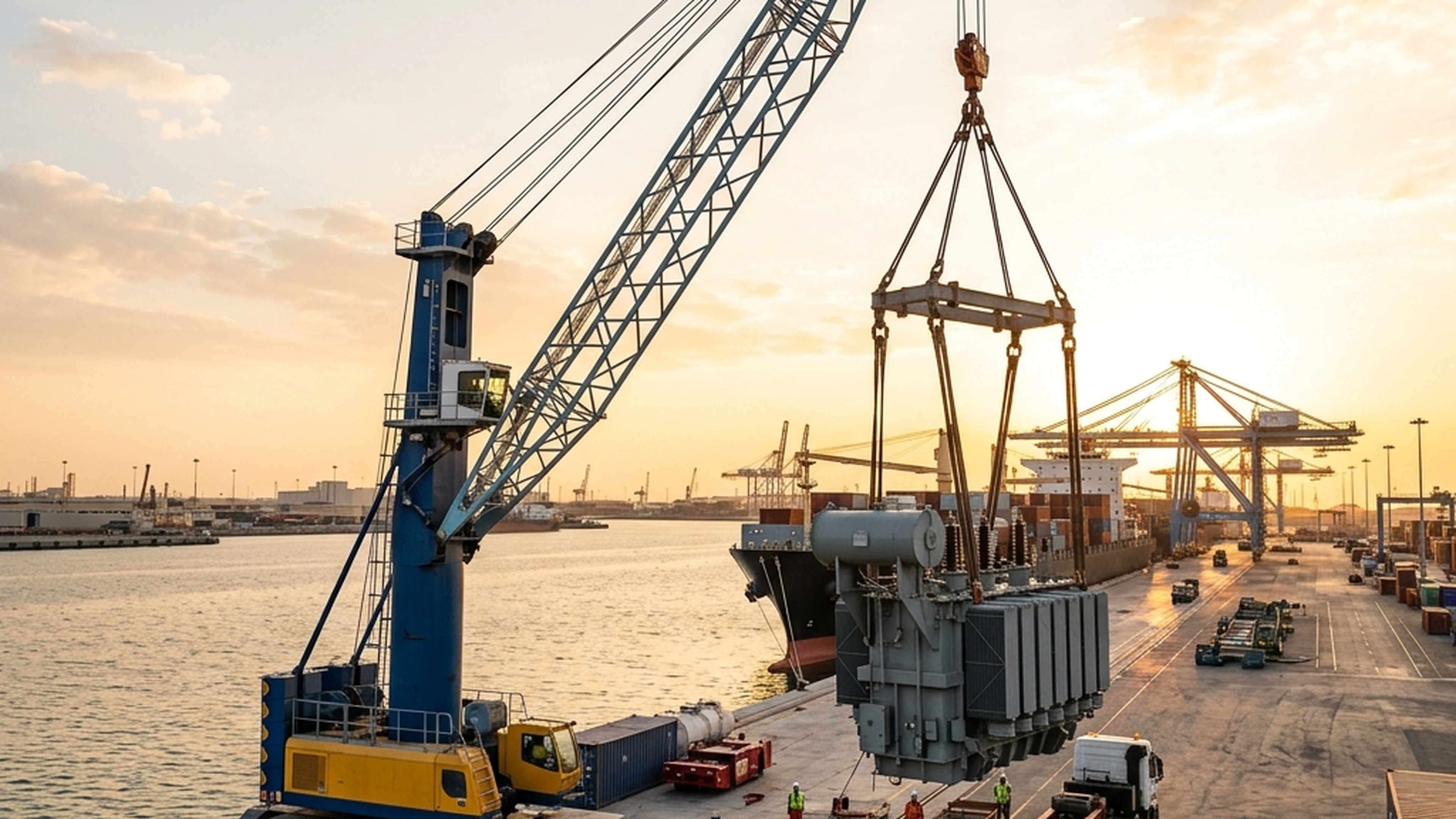
A transformer, a refinery column, a crane, a pre-fabricated module — cargo that doesn't fit a container, can't wait at a port, and can stall a construction schedule if it arrives late or wrong. As Saudi Arabia builds out Vision 2030 megaprojects — NEOM, new industrial cities, energy and infrastructure — demand for project cargo services in Saudi Arabia has never been higher, and the margin for error never thinner.
We're BAFCO International — 30 years of heavy-lift, break-bulk and oversized cargo through Saudi ports, with our own container terminals and branches in Jeddah, Riyadh, Dammam and Jubail. This guide explains how project cargo actually moves: the cargo types, the planning, the equipment, the permits and the ports.
Talk to BAFCO's project cargo team — we'll plan route, equipment and permits around your delivery date.
What counts as project cargo?
Project cargo is anything that can't move as standard containerised freight because of its size, weight, value or complexity. It usually falls into four categories:
- Out-of-Gauge (OOG) — cargo that exceeds standard container dimensions (too tall, wide or long) and rides on flat-rack or open-top containers, protruding beyond the box.
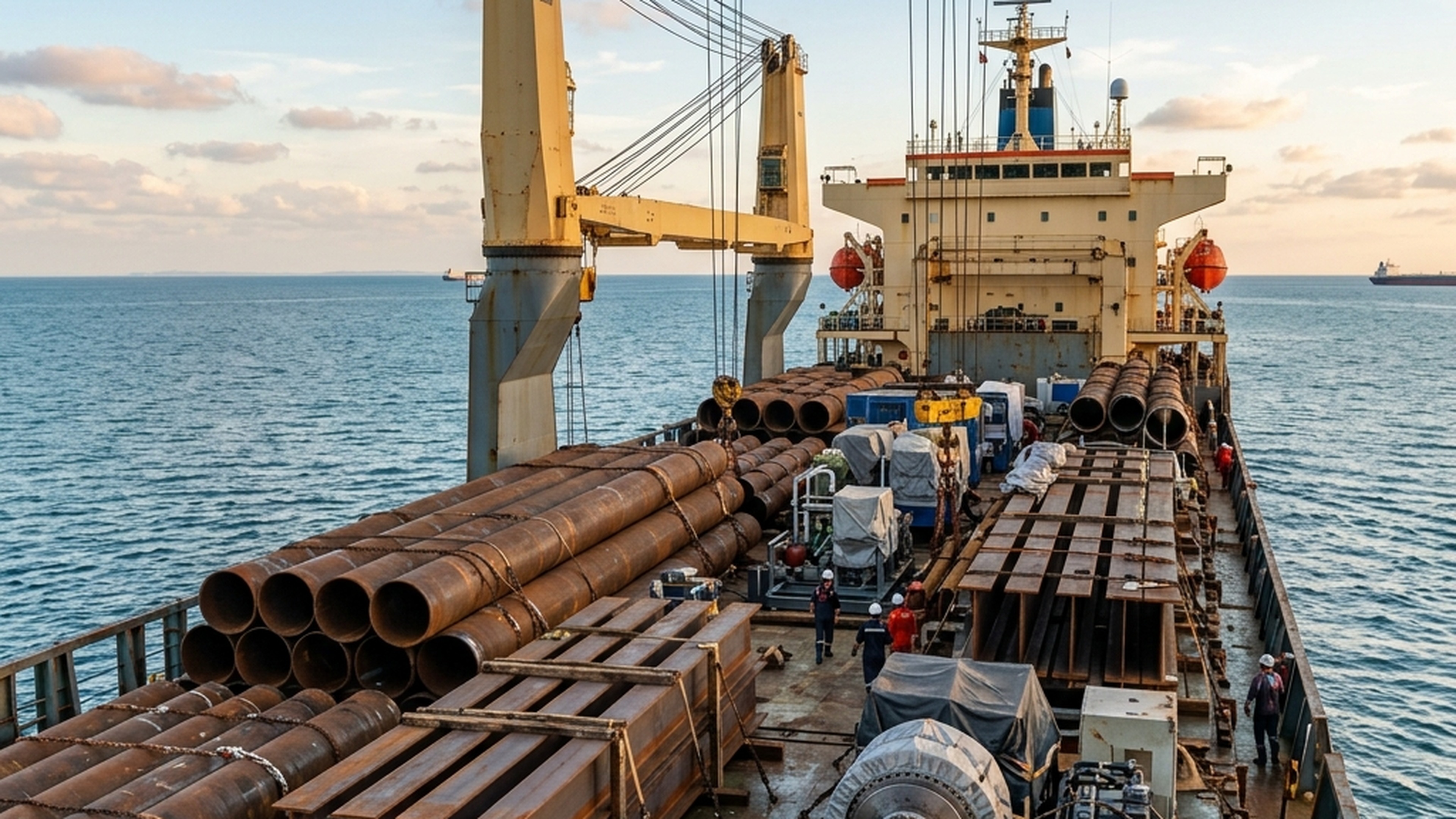
- Break bulk — pieces loaded individually onto the vessel rather than in containers: steel beams, pipes, structural sections, machinery.
- Heavy lift — single pieces beyond normal crane capacity: transformers, reactors, turbines, pressure vessels, industrial modules.
- RoRo (roll-on/roll-off) — wheeled or tracked units (vehicles, rigs, mobile plant) driven on and off the vessel rather than lifted.
Getting the category right at the planning stage decides the vessel, the equipment and the cost. Get it wrong and you discover the problem at the quay — the most expensive place to discover anything. See also our break bulk shipping and machinery shipping guides.
Planning: where a project cargo move is won or lost
Standard freight is booked; project cargo is engineered. The real work happens before the cargo moves:
- Route survey — physically surveying the whole journey from port to site for bridge heights and load ratings, road widths, turning radii, overhead obstacles (cables, gantries), and weight limits. This is the single most important step; almost every project delay traces back to a survey that was skipped or rushed.
- Method statement & lift plan — documenting exactly how each piece is lifted, secured, transported and set down, with the right cranes, rigging and load-spreading.
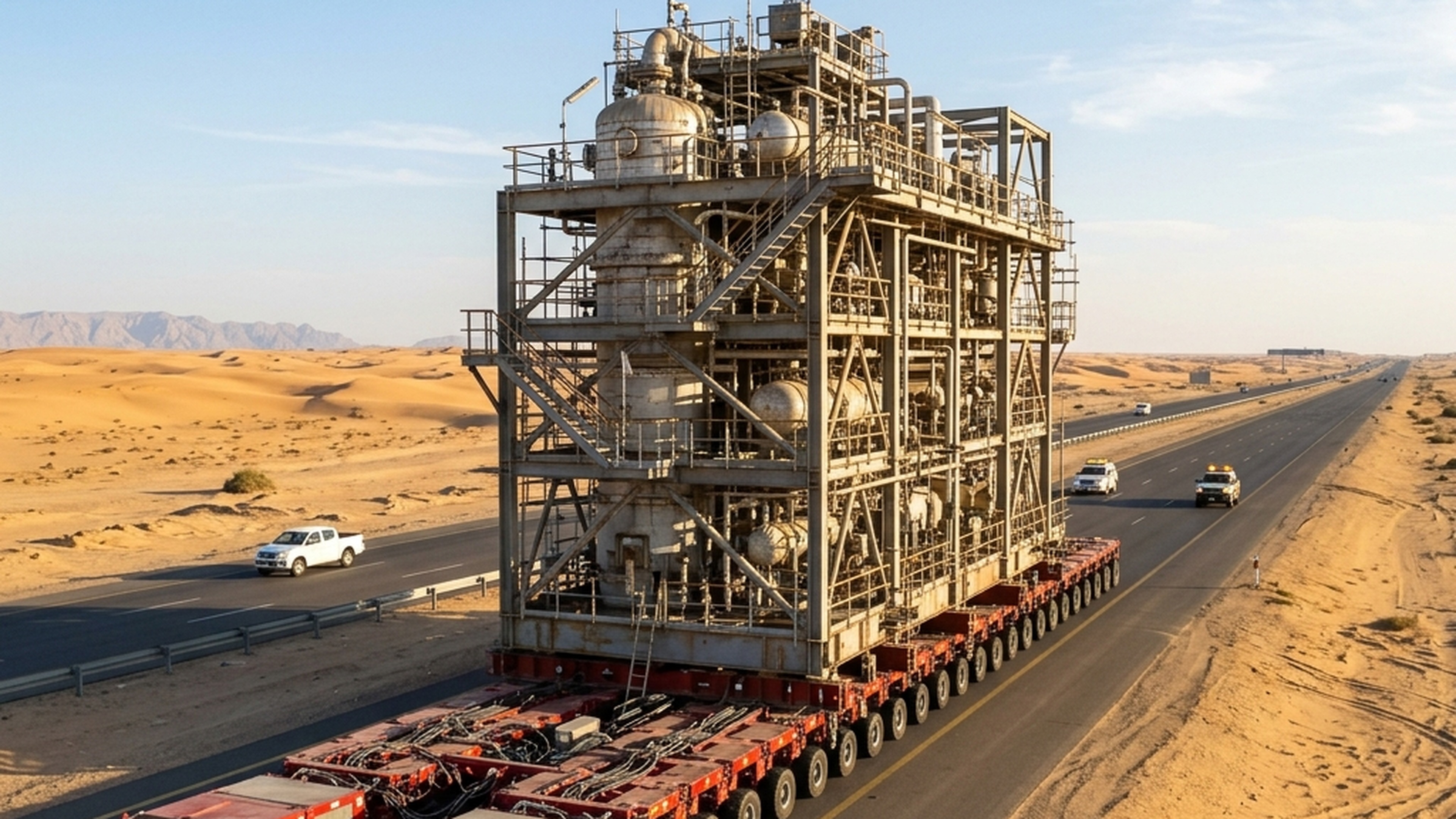
- Permits & escorts — securing the abnormal-load transport permits required by the Saudi authorities, and arranging police escorts and (often) night-time movement windows for oversized loads on public roads.
- Port & vessel selection — matching the cargo to a port with the crane capacity, heavy-load quay and laydown space to receive it, and to a vessel (multipurpose, heavy-lift or RoRo) suited to the pieces.
- All-risk insurance — cover sized to high-value, often one-of-a-kind pieces that can't simply be re-ordered off a shelf.
A partner who plans all five is why cargo arrives on schedule; skipping any one is why projects slip.
Break bulk vs container — how to choose
| If your cargo is… | Move it as… | Why |
|---|---|---|
| Slightly over standard container size | Flat-rack / open-top (OOG) | Uses container infrastructure; simplest oversized option |
| Long, loose or irregular (pipes, beams) | Break bulk | Loaded piece-by-piece; no container constraint |
| A single very heavy unit (transformer, reactor) | Heavy lift | Specialist cranes/vessels and an engineered lift plan |
| Wheeled or tracked (vehicles, rigs) | RoRo | Driven on/off — fast, less lifting risk |
Most large projects use a mix across shipments — which is the argument for one coordinator who can plan the whole scope rather than several vendors each handling a slice.
The equipment behind a heavy-lift move
Project cargo lives and dies on handling capability at the quay and on the road: mobile harbour cranes and floating/ship's cranes for lifting; SPMTs (self-propelled modular transporters) — computer-controlled multi-axle platforms that spread enormous loads and steer every axle — for moving heavy pieces; modular and hydraulic trailers for road transport; and proper rigging, shackles and spreader beams engineered to the load. Just as important is laydown space to stage oversized pieces safely between vessel and onward transport. When your forwarder controls the terminal — as BAFCO does with its own container terminals — you get direct control over this equipment, fewer hand-offs, and less waiting on third parties.
Permits, escorts and regulations in Saudi Arabia
Moving an abnormal load on Saudi roads isn't just a transport job — it's a regulatory one. Oversized and heavy loads require special transport permits from the relevant authorities, and depending on dimensions and weight often need police escorts, pilot/escort vehicles, and restricted movement windows (frequently overnight, to avoid traffic). Routes may need temporary measures for obstacles. An experienced project cargo forwarder builds all of this into the plan from day one, because a permit refused or an escort unbooked can hold a multi-million-riyal module at the port gate.
Ports and lanes for oversized cargo in Saudi Arabia
- Jeddah Islamic Port (Red Sea) — the primary western gateway, with heavy-lift capability and onward routing to Makkah, Madinah and central projects.
- King Abdulaziz Port, Dammam (Gulf) — the Eastern Province hub for oil, gas, petrochemical and industrial project cargo.
- Jubail Commercial and industrial ports — purpose-built for the energy and petrochemical sector.
- King Abdullah Port (Rabigh) — modern capacity on the Red Sea for growing project volumes.
From the port, the load moves overland under permit to sites across the Kingdom — including the new-economy megaprojects driving today's demand.
The Vision 2030 sectors driving demand
Project cargo volumes in Saudi Arabia are being pulled by three engines: energy (oil, gas, petrochemical and the fast-growing renewables build-out, concentrated around the Eastern Province and Jubail); industrial cities and manufacturing (localisation of heavy industry under Vision 2030); and giga-projects and infrastructure (NEOM, new urban developments, transport and utilities). Each needs transformers, turbines, pressure vessels, structural steel and pre-fabricated modules moved intact and on schedule — exactly the cargo this guide is about.
Vessels for project cargo
The pieces decide the ship. Multipurpose (MPP) vessels with their own heavy cranes handle general break-bulk and moderate heavy lift. Heavy-lift vessels carry the largest single pieces — transformers, reactors, whole modules — with cranes rated for hundreds of tonnes. RoRo vessels take wheeled and tracked units driven straight on and off. And for out-of-gauge pieces that still suit containers, flat-rack and open-top slots on a regular container service may do the job at lower cost. Matching cargo to the right vessel type — and booking early, because heavy-lift capacity is limited — is a core part of the plan.
Common project cargo challenges (and how they're managed)
Project moves fail in predictable places, which is exactly why they're planned so heavily:
- A road obstacle missed at survey — solved by a thorough, physical route survey, not a desktop one.
- Permits or escorts delayed — solved by starting the permit process early and building in buffer.
- Port congestion or the wrong equipment on arrival — solved by choosing a port with proven heavy-load capability and confirmed equipment.
- Weather or tidal windows for the lift — solved by scheduling flexibility and contingency.
- Damage to a one-of-a-kind piece — solved by an engineered lift plan and all-risk insurance.
The theme is constant: risk is engineered out in the planning, not fixed on the quay.
Insurance and risk on high-value cargo
Project cargo is often high-value and effectively irreplaceable on any useful timescale — a delayed or damaged module can hold up an entire construction schedule. That makes all-risk marine cargo insurance, sized to the true replacement value and the consequences of delay, essential rather than optional. A specialist forwarder helps structure cover that reflects the real exposure, not just the invoice value of the piece.
Why project cargo starts months ahead
Unlike a container booking made days before sailing, a project move is planned weeks to months in advance: the survey, the lift plan, permits, escort bookings, vessel space and port slots all take lead time, and heavy-lift vessel capacity is limited. The biggest single cause of project cargo delay isn't the cargo — it's starting the planning too late. Bringing your forwarder in at the design or procurement stage, not when the cargo is ready to ship, is what protects the delivery date.
Choosing a project cargo partner: the checklist
Look for a proven heavy-lift and break-bulk track record (not standard freight with ambition); in-house engineering for route surveys, lift plans and method statements; owned or controlled terminals and equipment (cranes, SPMTs, laydown space); permit and escort experience with the Saudi authorities; in-house customs clearance for high-value, complex consignments; and end-to-end accountability — one team from origin port to project site, not a chain of hand-offs.
Why BAFCO for project cargo in Saudi Arabia
Project cargo is where 30 years of Saudi experience and owned infrastructure pay off. BAFCO plans the route, controls the quay through its own container terminals, clears customs in-house, and delivers oversized and heavy-lift cargo to project sites across Jeddah, Riyadh, Dammam and Jubail — one accountable team from vessel to foundation. Compare us in our 10 best freight forwarders in Saudi Arabia guide, or bring us your scope.
Frequently asked questions
What are project cargo services in Saudi Arabia?
The planning and transport of heavy, oversized or complex cargo that can't move as standard containers — out-of-gauge, break-bulk, heavy-lift and RoRo — through Saudi ports and overland to project sites, with route surveys, permits, specialist equipment and customs handled end to end.
What is the difference between break bulk and project cargo?
Break bulk is one *method* of moving cargo — loading pieces individually onto a vessel rather than in containers. Project cargo is the broader category of heavy, oversized or complex consignments, which may move as break bulk, out-of-gauge, heavy lift or RoRo.
What is a route survey and why does it matter?
A route survey inspects the entire journey from port to site — bridge heights, road widths, turning radii, weight limits and obstacles — to confirm the load can physically make the trip and to plan permits and escorts. It's the most important step in any project cargo move.
Do oversized loads need special permits in Saudi Arabia?
Yes. Heavy and oversized transport requires special permits from the relevant Saudi authorities, and often police escorts and restricted (frequently night-time) movement windows.
Which Saudi ports handle project and heavy-lift cargo?
Mainly Jeddah Islamic Port on the Red Sea and King Abdulaziz Port in Dammam on the Gulf, with Jubail's industrial ports for the energy sector and King Abdullah Port adding modern capacity.
Why use a forwarder with its own terminals for project cargo?
Owned terminals mean direct control over cranes, heavy handling equipment and laydown space, fewer hand-offs to third parties, and less waiting — lower risk and a protected schedule for high-value, time-critical cargo.